Humidifier After Septoplasty: Complete Recovery Guide for 2026
Septoplasty corrects a deviated septum to improve nasal airflow, with over 260,000 procedures performed annually in the United States. Post-operative moisture management prevents painful crusting and tissue damage that can delay healing. This guide covers humidifier selection, optimal placement, and usage timelines to support your recovery.
Why Humidifiers Are Essential After Septoplasty
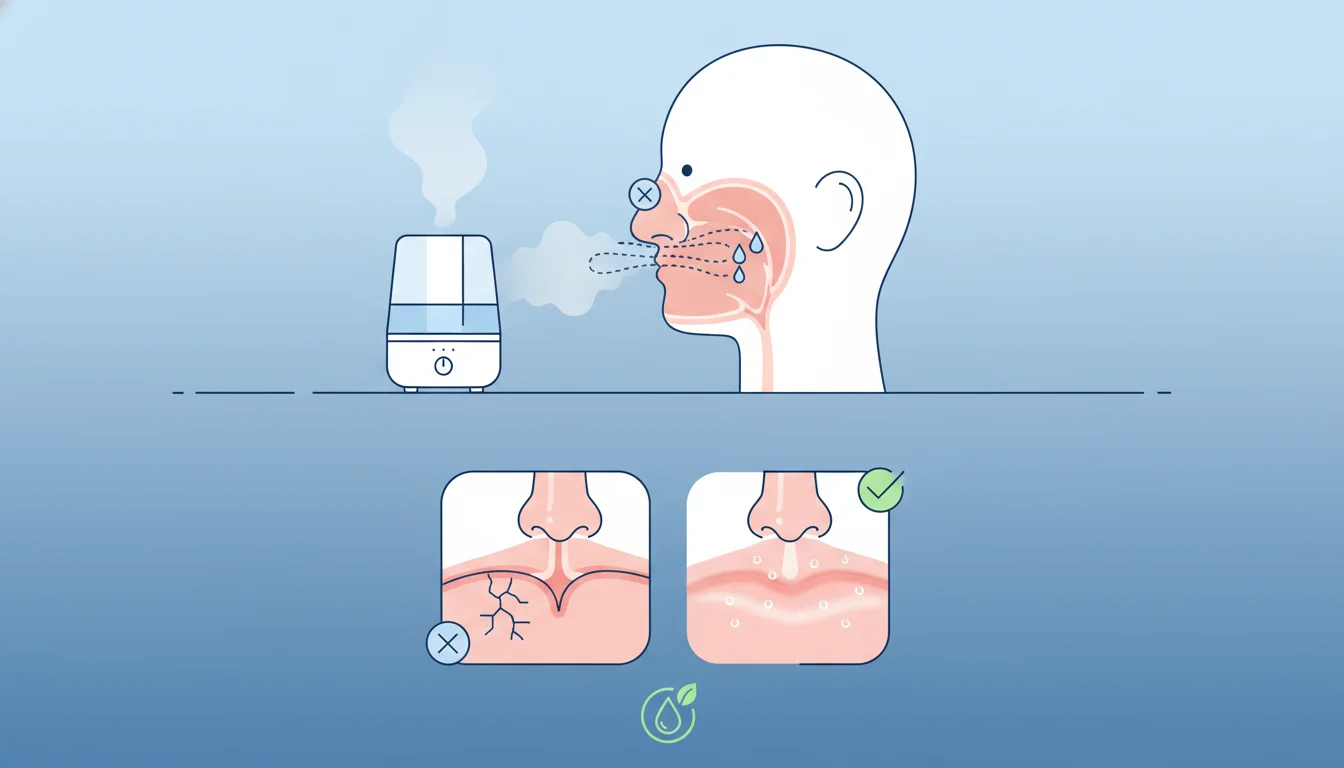
Your nasal passages become extremely dry after surgery because swelling disrupts normal mucus production and forces you to breathe through your mouth during initial recovery. This dryness creates a cascade of problems that a humidifier after septoplasty directly addresses.
Key benefits of humidification during recovery:
- Prevents painful crusting and scabbing inside the nose that impairs airflow and delays tissue repair
- Reduces throat soreness from mouth breathing during the first week when nasal passages are blocked
- Maintains mucosal lining integrity, lowering infection risk by preventing tiny fissures in healing tissue
- Supports optimal mucociliary function, helping your nose naturally clear debris and bacteria
- Softens existing crusts when combined with saline rinses, making removal gentler and less painful
Dry indoor environments from heating or air conditioning worsen these issues significantly. Running a humidifier at night counteracts this effect when your nasal passages are most vulnerable. [Dr. Matthew Shawl, MD] specifically recommends bedroom humidification as part of standard post-operative care.
Most patients notice improved breathing around weeks two to three, but the benefits of humidification continue throughout the healing process. Patients who skip this step often report more discomfort and longer recovery times.
Cool Mist vs Warm Mist vs Ultrasonic: Which Humidifier Type Is Best
Cool mist humidifiers are the safest choice for septoplasty recovery because they eliminate burn risk and work effectively for continuous overnight use. Your surgeon will likely recommend this type specifically.
| Humidifier Type | Pros | Cons | Best For |
|---|---|---|---|
| Cool Mist Evaporative | Self-regulating humidity, no burn risk, filters remove impurities | Requires filter replacement, slightly louder operation | First choice for post-surgery recovery |
| Ultrasonic Cool Mist | Whisper-quiet operation, energy efficient, no filters needed | White dust if using tap water, no self-regulation | Bedroom recovery when noise is a concern |
| Warm Mist | Feels soothing, kills bacteria in water, quieter than evaporative | Burn hazard, raises room temperature, higher energy use | Generally not recommended post-surgery |
| Impeller (Cool Mist) | Affordable, child-safe, quiet operation | White dust possible, smaller coverage area | Budget-friendly temporary option |
[ENT Associates of Chester County] specifically recommends cold water humidifiers for post-surgical comfort. The cool mist evaporative type offers a key advantage: it self-regulates and stops adding moisture once the room reaches optimal humidity.
A word of caution about ultrasonic models: they work beautifully but leave white mineral dust everywhere if you use tap water. Stick with distilled water, or you'll be cleaning residue off your nightstand daily.
Optimal Humidity Levels and Placement Tips
Target 40-50% relative humidity in your recovery space. This range keeps nasal tissues moist without creating conditions that promote mold or bacterial growth.
Placement and setup guidelines:
- Position your humidifier 3-6 feet from your bed at nightstand height for optimal moisture distribution
- Keep it away from electronics, walls, and curtains to prevent moisture damage
- Ensure adequate room ventilation by leaving the door slightly open or using a ceiling fan on low
- Maintain room temperature between 65-68°F (18-20°C) for ideal comfort during sleep
- Use a digital hygrometer to monitor humidity levels accurately
A hygrometer costs under $15 and removes all guesswork from humidity management. SleepAgainPillows.com recommends this investment for any surgical recovery.
Elevate your head 30-45 degrees while sleeping to reduce swelling and optimize humidified air intake. This positioning helps moist air reach your nasal passages more effectively. The combination of proper humidity and head elevation makes a noticeable difference in overnight comfort.
Recovery Timeline: When Humidifier Use Matters Most
The first week demands near-constant humidifier use because nasal swelling peaks and mouth breathing is unavoidable. Your usage pattern should evolve as healing progresses.
Week-by-week humidifier guidance:
| Recovery Phase | Humidifier Usage | What's Happening |
|---|---|---|
| Week 1 | Run continuously during sleep, consider daytime use | Peak swelling, splints in place, heavy crusting |
| Weeks 2-3 | Nightly use required, 8+ hours | Swelling decreases, nasal breathing begins returning |
| Weeks 4-6 | Reduce to 6-8 hours nightly as comfort allows | Natural moisture production recovering |
| Weeks 6+ | Use as needed based on symptoms | Most patients can discontinue regular use |
Signs you're ready to reduce humidifier use:
- Waking without significant nasal dryness or throat soreness
- Crusting has substantially decreased
- Comfortable nasal breathing throughout the day
- No bleeding when gently cleaning nasal passages
Individual healing varies considerably. [Becker ENT & Allergy] notes that some patients benefit from extended humidifier use beyond six weeks, especially in dry climates or during winter months. Ask your surgeon at follow-up appointments about your specific timeline.
Humidifier Maintenance During Your Recovery
Daily water changes are non-negotiable because stagnant water breeds bacteria and mold within 24-48 hours. Contaminated humidifier mist introduces pathogens directly into your healing nasal passages.
Essential maintenance tasks:
- Empty and refill with fresh water every morning—never top off old water
- Deep clean with white vinegar solution every 2-3 days
- Rinse all components thoroughly after cleaning to remove vinegar residue
- Use distilled or demineralized water to prevent mineral buildup and white dust
- Replace filters according to manufacturer schedule, more frequently during heavy use
- Inspect for visible mold or slime before each use
DrGanENT.com emphasizes that humidifier-related infections during recovery are entirely preventable with proper maintenance. A contaminated humidifier is worse than no humidifier at all.
Cleaning your humidifier feels tedious when you're recovering from surgery. Set a phone reminder for every three days. Your nasal passages will thank you.
Combining Humidifier Use with Other Post-Op Care
Humidification works best as part of a coordinated moisture strategy that includes saline rinses, hydration, and proper positioning. These elements multiply each other's effectiveness.
Optimal combination protocol:
- Use saline nasal spray 15-20 minutes before bed, then start your humidifier
- Drink 8-10 glasses of water daily to support mucus production from the inside
- Keep your head elevated 30-45 degrees during sleep to reduce swelling and optimize airflow
- Run the humidifier in the room where you spend the most recovery time, not in every room
- Avoid antihistamines and decongestants unless prescribed, as they counteract moisture efforts
What to avoid during recovery:
- Ceiling fans or bedside fans blowing directly on your face
- Air conditioning or heating vents pointed toward your sleeping area
- Smoke, strong fragrances, and airborne irritants
- Extremely hot showers that cause excessive mucus production followed by rebound dryness
Mount Sinai Health System recommends this integrated approach for optimal mucosal healing. The saline spray moisturizes directly while the humidifier maintains ambient moisture levels throughout the night.
Some patients focus entirely on humidification while neglecting hydration. Both matter equally. Your body needs water to produce healthy mucus, and the humidifier prevents that moisture from evaporating.
Alternatives If You Don't Have a Humidifier
Steam inhalation from a bowl of hot water provides temporary relief when a humidifier isn't available. These methods can bridge the gap but don't replace dedicated humidification for recovery.
Short-term humidity solutions:
- Fill a bowl with hot water, drape a towel over your head, and breathe the steam for 5-10 minutes
- Hang wet towels near a heat source to add ambient moisture to your room
- Spend 15-20 minutes in a steamy bathroom after someone showers
- Place shallow bowls of water near heating vents
- Use a portable USB humidifier as an affordable temporary option ($15-25)
Important limitations:
- Steam bowls require constant supervision and reheating
- Wet towels need replacement every few hours
- Bathroom steam provides brief relief, not sustained humidity
- These methods don't maintain consistent overnight moisture levels
[CVS Surgical Group] stresses that investing in a proper cool mist humidifier provides significantly better outcomes than improvised alternatives. A basic model costs $25-40 and lasts for years.
If finances are tight, a portable USB humidifier from any pharmacy works for the critical first two weeks. Upgrade to a full-size unit if your recovery extends longer or if you live in a particularly dry climate.
FAQ
How soon after septoplasty should I start using a humidifier?
Start using your humidifier the first night after surgery. Nasal dryness begins immediately due to surgical swelling and nasal packing. Having the humidifier running before you fall asleep provides continuous moisture during your most vulnerable hours.
What humidity level is too high after nasal surgery?
Humidity above 50-55% creates conditions for mold growth and dust mite proliferation. These allergens irritate healing nasal passages and increase infection risk. A hygrometer helps you stay in the safe 40-50% range.
Should I use a humidifier with nasal splints still in place?
Yes, humidification is especially important with splints installed. Splints block normal airflow and increase mouth breathing, causing severe dryness. Run your humidifier continuously at night until splints are removed, typically at your one-week follow-up.
Do I need a humidifier in summer after septoplasty?
Air conditioning removes moisture from indoor air, making summer humidification necessary in most climates. Check your room humidity with a hygrometer. If it drops below 40% with AC running, use your humidifier regardless of season.
Is sleeping with a humidifier safe every night during recovery?
Nightly humidifier use during recovery is safe and recommended when you maintain the unit properly. Daily water changes and regular cleaning prevent bacterial contamination. Cool mist models pose no burn risk for overnight operation.
What size humidifier do I need for post-surgery recovery?
A humidifier rated for 200-400 square feet covers most bedrooms adequately. A tank capacity of 1-2 gallons provides 8-12 hours of operation without refilling. Larger isn't necessarily better because it increases cleaning requirements and water usage.
When should I call my doctor about nasal dryness?
Contact your surgeon if you experience severe crusting that causes bleeding, signs of infection like fever or green discharge, or persistent dryness despite consistent humidifier use. These symptoms warrant evaluation beyond standard home moisture management.
Share this post
Related Posts
Who Should Not Use a Humidifier: 8 Groups at Risk in 2026
Who Should Not Use a Humidifier: 8 Groups at Risk in 2026
Will a Humidifier Help With Bloody Nose? Science-Backed Answer for 2026
Will a Humidifier Help With Bloody Nose? Science-Backed Answer for 2026
Best Humidifiers for Sinus Issues: Expert Guide to Relief in 2026
Best Humidifiers for Sinus Issues: Expert Guide to Relief in 2026