Who Should Not Use a Humidifier: 8 Groups at Risk in 2026
Humidifiers add moisture to indoor air and help relieve dry skin, irritated sinuses, and respiratory discomfort. However, studies show that contaminated humidifiers release bacteria, mold spores, and mineral particles that can worsen health conditions in vulnerable populations. This guide identifies who should not use a humidifier, explains the specific risks, and offers safer alternatives.
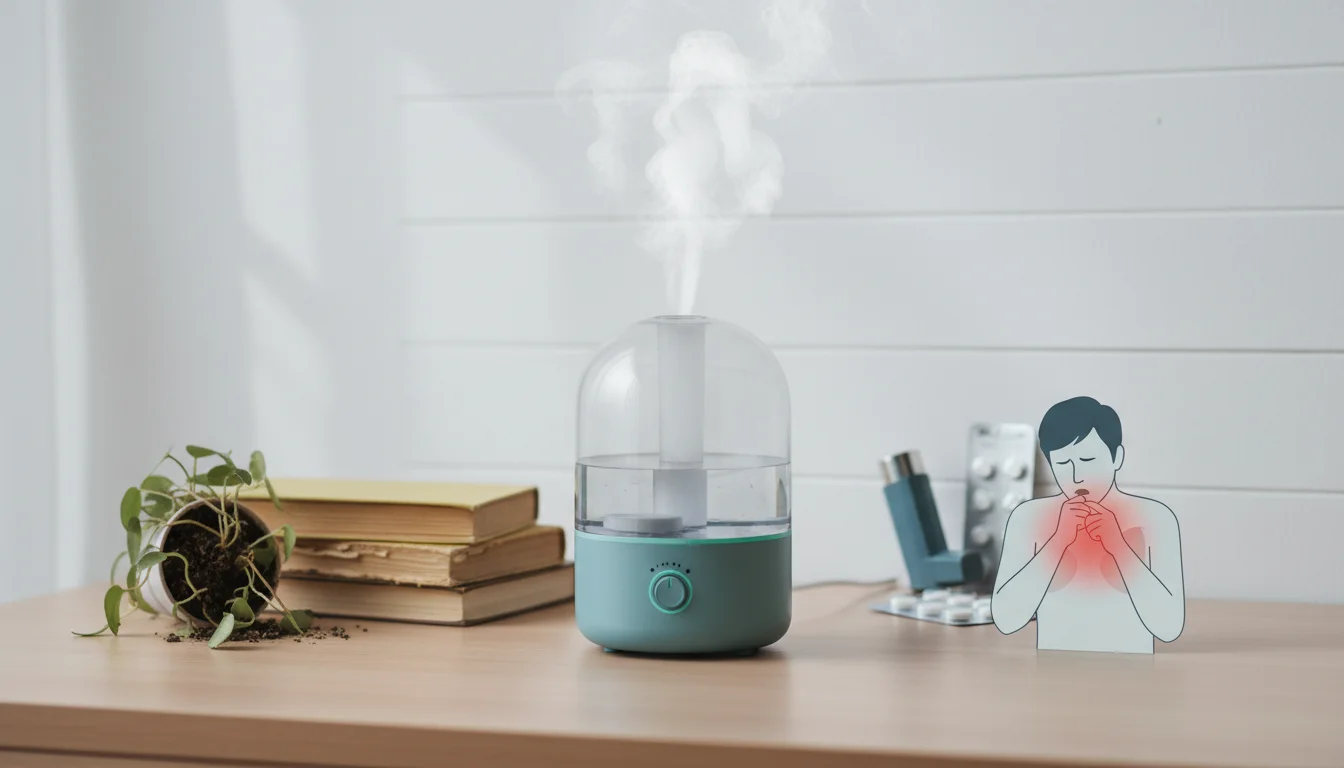
People with Asthma and Respiratory Conditions
Excess humidity above 50% can trigger asthma attacks and create breathing difficulties for people with respiratory conditions.
Mold spores thrive in humid environments. When indoor humidity climbs too high, these spores multiply and circulate through your living space. For someone with asthma, each breath pulls potential triggers deep into already-sensitive airways.
Improperly maintained humidifiers compound this problem. Bacteria and fungi colonize stagnant water in the tank, and the humidifier then aerosolizes these pathogens directly into your breathing zone.
Warning signs your humidifier is causing respiratory problems:
- Increased wheezing or coughing after turning on the unit
- Worsening symptoms at night when the humidifier runs in your bedroom
- Visible mold growth on humidifier components
- Musty smell when the unit operates
The safest approach: talk to a pulmonologist before using any humidifier if you have asthma or chronic respiratory conditions. Your doctor can recommend specific humidity targets and maintenance protocols that minimize risk.
Allergy Sufferers and Dust Mite Sensitivity
Dust mites require humidity above 50% to survive and reproduce. Running a humidifier in your home creates ideal breeding conditions for these microscopic allergens.
Research from AirMID Health Group confirms that dust mites cannot maintain water balance below 50% relative humidity. Drop humidity to 40%, and mite populations crash. Keep it at 75%, and their feeding rates increase fivefold.
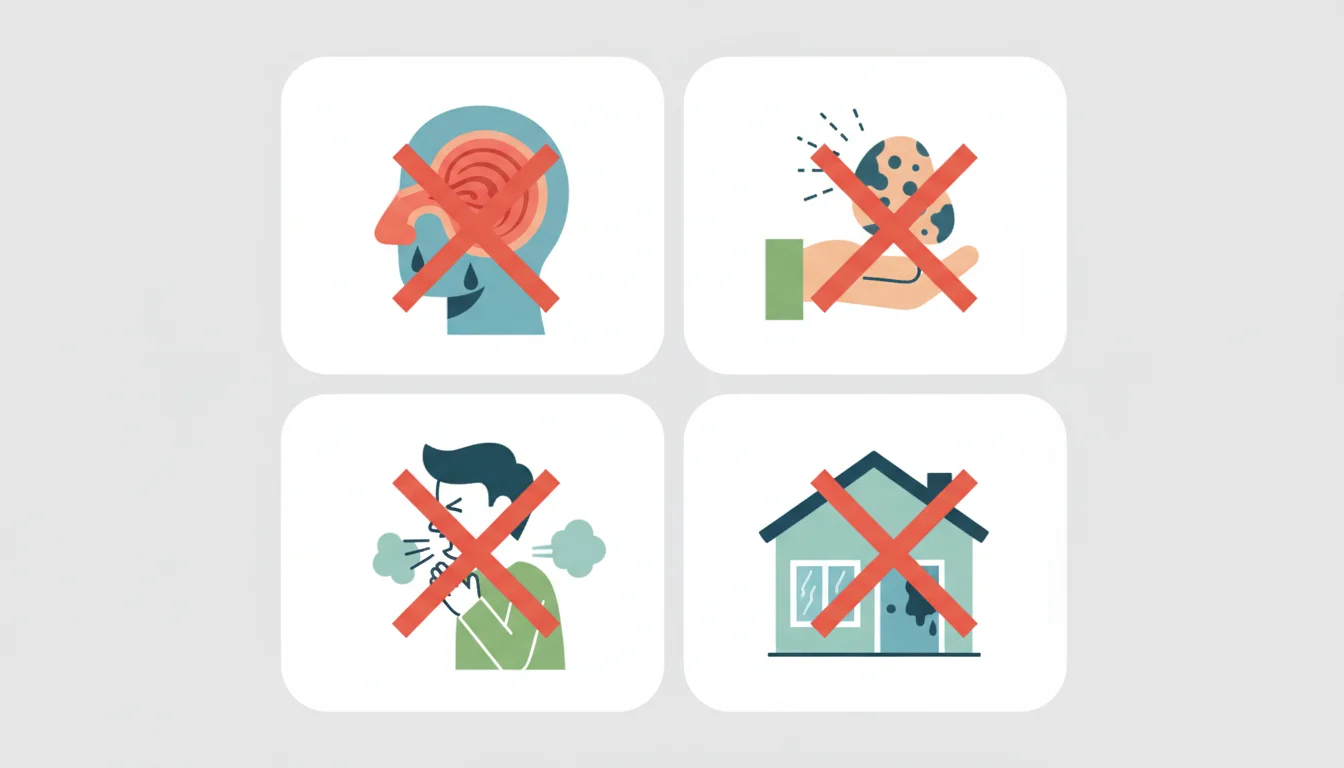
This matters because dust mite fecal matter is the primary allergen. More mites mean more waste particles accumulating in your bedding, carpets, and upholstered furniture.
Humidity levels and dust mite activity:
| Humidity Level | Dust Mite Status | Allergen Risk |
|---|---|---|
| Below 40% | Cannot survive long-term | Minimal |
| 40-50% | Struggling, reduced reproduction | Low |
| 50-60% | Thriving, active reproduction | Moderate |
| 70-80% | Optimal growth conditions | High |
If you have dust mite allergies, a dehumidifier serves you better than a humidifier. Aim for 30-40% indoor humidity. Buy a hygrometer for $10-15 and monitor your levels weekly.
Immunocompromised Individuals and Chronic Illness Patients
People with weakened immune systems face serious infection risks from contaminated humidifiers. Bacteria and fungi that healthy individuals fight off easily can become life-threatening for immunocompromised patients.
Legionella bacteria colonize humidifier tanks and cause Legionnaires' disease. Cancer patients undergoing chemotherapy, organ transplant recipients, and people living with HIV lack the immune defenses to combat these opportunistic pathogens.
Public Health Ontario states clearly: "Improperly maintained humidifiers have been associated with increased risk of illness... particularly in individuals whose immune systems are compromised."
If you must use a humidifier while immunocompromised:
- Use only steam humidifiers, which kill pathogens through boiling
- Fill with sterile or distilled water only
- Empty and disinfect the tank daily
- Replace water and components on strict schedules
- Avoid ultrasonic and impeller types entirely
Hospitals avoid portable atomizing humidifiers in wards treating immunocompromised patients. Take that as a strong signal about the safety concerns humidifiers pose for vulnerable populations.
Families with Young Children and Burn Risks
Steam vaporizers create moisture by boiling water, making them dangerous around curious toddlers and infants. A child who touches the steam outlet or tips the unit over faces severe scalding injuries.
Nationwide Children's Hospital warns that steam vaporizer humidifiers should never run unattended in children's rooms, especially overnight. The EPA specifically recommends keeping these devices completely out of children's reach.
Humidifier type comparison for families:
| Humidifier Type | Burn Risk | Child Safety Rating |
|---|---|---|
| Steam Vaporizer | High, boiling water | Not recommended |
| Warm Mist | Moderate, heated elements | Use with caution |
| Cool Mist | None | Recommended |
| Ultrasonic | None | Recommended |
Cool mist humidifiers eliminate burn hazards entirely. Even if a child accesses the unit, there's no thermal danger. Place any humidifier on a stable surface away from the crib or bed, and use distilled water to reduce bacterial growth.
Skip the essential oils and vaporubs. These irritate children's respiratory tracts and offer no proven benefit.
People Living in Already Humid Climates
Adding moisture to already humid air promotes mold growth throughout your home. Coastal and tropical climate residents rarely need additional indoor humidity.
Before buying a humidifier, measure your indoor humidity with a hygrometer. Ideal levels range from 30-50% year-round. If your home already sits at 50% or above, a humidifier does more harm than good.
Signs your home is too humid without a humidifier:
- Condensation on windows
- Musty odors in closets or bathrooms
- Visible mold spots on walls or ceilings
- Warped wood furniture or flooring
- Peeling paint or wallpaper
Residents in Florida, Louisiana, Hawaii, and other humid regions often need dehumidifiers rather than humidifiers. Running a humidifier in these climates accelerates mold colonization in walls, carpets, and HVAC systems.
Those Unable to Maintain Proper Cleaning Schedules
Humidifiers require daily emptying and weekly deep cleaning. Neglect this maintenance, and your humidifier becomes a bacteria and mold breeding ground that makes indoor air quality worse, not better.
Essential humidifier maintenance tasks:
- Empty the tank completely every day
- Rinse and dry all components
- Deep clean with vinegar or hydrogen peroxide weekly
- Replace filters per manufacturer schedule
- Use distilled water to prevent mineral buildup
White dust from mineral deposits coats surfaces when you use tap water in ultrasonic humidifiers. These particles irritate lungs and leave residue on furniture and electronics.
Most people don't maintain humidifiers properly. If daily cleaning sounds unrealistic for your lifestyle, a humidifier isn't appropriate for you. The health risks from contaminated units outweigh the benefits of added moisture.
Safer Alternatives for People Who Should Avoid Humidifiers
Several options add moisture to your environment without the contamination risks of humidifiers.
Natural humidity boosters:
- Houseplants release moisture through transpiration. Spider plants, Boston ferns, and peace lilies work well.
- Bowls of water near heat sources evaporate slowly and safely.
- Hang-drying laundry indoors adds gentle humidity.
- Leaving bathroom doors open after showers distributes steam throughout your home.
Direct relief options:
- Nasal saline sprays moisturize dry nasal passages without affecting room humidity.
- Petroleum jelly applied inside nostrils prevents overnight dryness.
- Drinking more water throughout the day helps from the inside out.
Air purifiers with HEPA filters improve air quality without adding moisture. For people with respiratory conditions or allergies, this combination of plants, saline spray, and air purification often provides better results than humidifiers.
Talk to your healthcare provider about personalized recommendations based on your specific condition.
FAQ
What humidity level is dangerous for asthma patients?
Humidity above 50% creates conditions where mold spores and dust mites thrive, both of which trigger asthma symptoms. Keep indoor humidity between 30-50% and monitor levels with a hygrometer.
How often should immunocompromised patients clean humidifiers?
Daily cleaning is mandatory. Empty the tank completely, rinse all components, and refill with sterile or distilled water every 24 hours. Weekly deep disinfection with diluted bleach or hydrogen peroxide is also essential.
Are cool mist humidifiers safe for babies?
Cool mist humidifiers eliminate burn risks and are the only type pediatricians recommend for nurseries. Place the unit at least three feet from the crib and use distilled water to minimize bacterial growth.
What's the white dust from my humidifier?
White dust forms when minerals in tap water become aerosolized by ultrasonic humidifiers. These particles settle on surfaces and irritate respiratory systems when inhaled. Switch to distilled water to eliminate this problem.
Do humidifiers help or hurt sinus infections?
For most people, humidifiers provide relief during sinus infections by keeping nasal passages moist. However, those with mold allergies or compromised immune systems face elevated infection risks from contaminated units.
When is a dehumidifier better than a humidifier?
Use a dehumidifier when indoor humidity exceeds 50%, you have dust mite allergies, you live in a humid climate, or you notice mold growth or musty odors in your home.
What are signs my humidifier is making me sick?
Watch for symptoms that worsen when the humidifier runs: increased coughing, congestion, headaches, or flu-like symptoms. Visible mold in the tank, musty odors, or pink film on water surfaces indicate contamination.
Share this post
Related Posts
Will a Humidifier Help With Bloody Nose? Science-Backed Answer for 2026
Will a Humidifier Help With Bloody Nose? Science-Backed Answer for 2026
Best Humidifiers for Sinus Issues: Expert Guide to Relief in 2026
Best Humidifiers for Sinus Issues: Expert Guide to Relief in 2026
Why Does My Humidifier Smell? Causes, Fixes & Prevention Tips for 2026
Why Does My Humidifier Smell? Causes, Fixes & Prevention Tips for 2026