Humidifier After Tonsillectomy: Complete Recovery Guide for 2026
Tonsillectomy recovery involves significant throat pain and dryness that peaks during the first 7 to 10 days post-surgery. A humidifier after tonsillectomy keeps throat tissue moist, reducing discomfort and supporting faster healing. This guide covers humidifier selection, optimal setup, and maintenance for a smoother recovery.

Why Humidifiers Help After Tonsillectomy
Moist air soothes raw surgical sites and reduces the intense throat dryness that worsens overnight. Your throat becomes extremely dry during sleep because mouth breathing is common after surgery, and the surgical area needs consistent moisture to heal properly.
Benefits of humidifier use during recovery:
- Prevents scabs from drying out too quickly, reducing bleeding risk
- Soothes irritated throat membranes and decreases pain levels
- Reduces coughing triggered by dry air irritation
- Supports better sleep quality during the critical healing window
- Eases morning throat pain, which tends to peak after hours of mouth breathing
ENT specialists routinely recommend humidifiers as part of post-operative care. The throat's mucosal lining heals faster when kept moist, and dry air works against this natural process.
Humidifier use matters most between days 5 and 10, when scabs start separating and the throat feels its worst. Running a humidifier during this window makes a noticeable difference in morning comfort levels according to [Virginia ENT].
Cool Mist vs Warm Mist: Which Is Best for Tonsillectomy Recovery
Cool mist humidifiers are the safer, doctor-recommended choice for post-tonsillectomy care. Warm mist units pose burn risks and can irritate sensitive healing tissue with heated steam.
| Feature | Cool Mist | Warm Mist |
|---|---|---|
| Safety for children | High, no burn risk | Low, hot steam hazard |
| Throat tissue irritation | Minimal | Possible with heated air |
| Bedroom use | Ideal for overnight | Requires caution |
| Noise level (ultrasonic) | Very quiet | Moderate bubbling sound |
| Energy consumption | Lower | Higher due to heating element |
| Recommended by ENT specialists | Yes | Rarely |
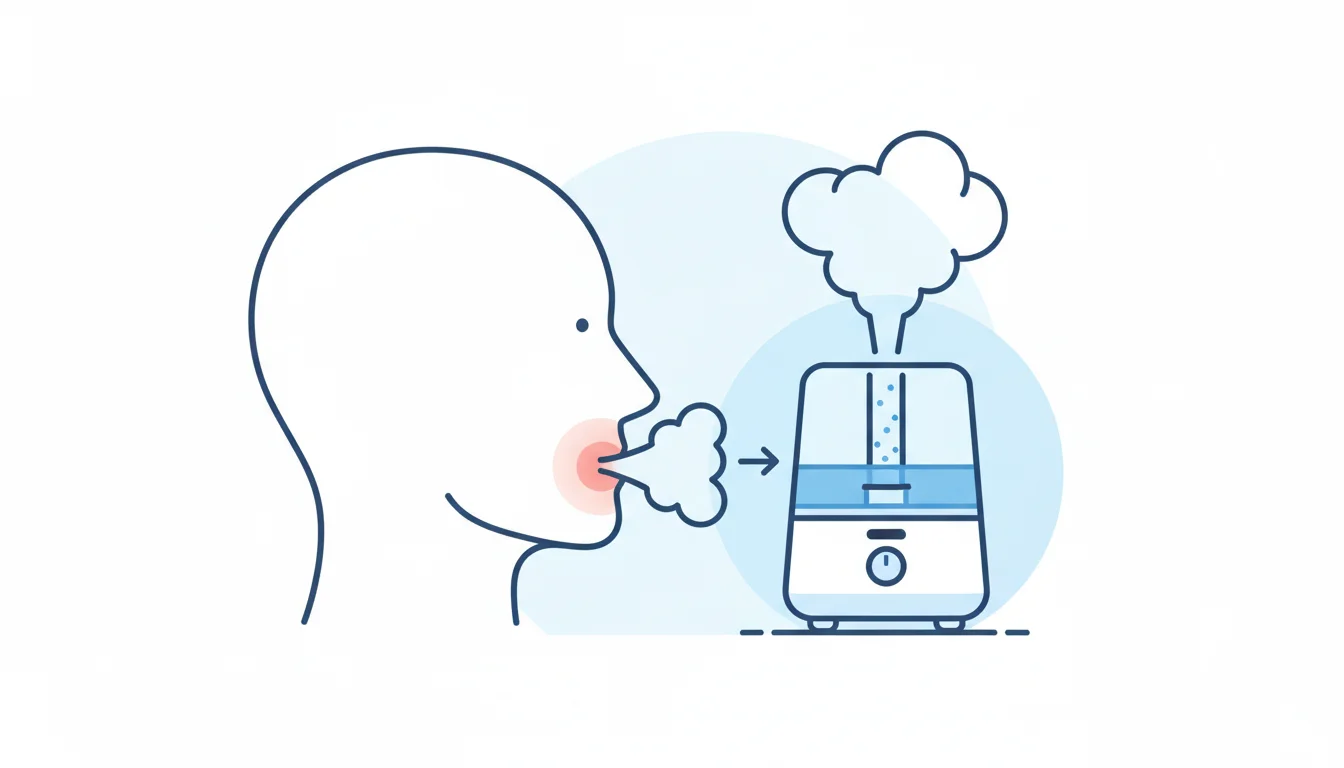
Cool mist humidifier types to consider:
- Ultrasonic models operate nearly silently, perfect for uninterrupted sleep
- Evaporative units cost less upfront and work well for budget-conscious buyers
- Both types effectively add moisture without heating the air
Pediatric ENT sources specifically warn against warm mist around children recovering from surgery because the burn risk outweighs any perceived benefits. For adults, cool mist remains the preferred option because it adds moisture without potentially dehydrating or irritating the throat through warmth.
Some older guides mention warm mist for adults, but current [Pediatric ENT] guidance and general post-operative instructions favor cool mist across all age groups.
How to Set Up Your Humidifier for Optimal Recovery
Position your humidifier 3 to 6 feet from the bed at nightstand height with the mist directed toward your sleeping area. Aim for 40 to 50 percent humidity in the recovery room and use distilled water only.
Setup checklist for best results:
- Place the unit on a stable surface, never directly on carpet or fabric
- Point mist output toward the bed without direct face contact
- Use a hygrometer to monitor room humidity levels
- Fill the tank with distilled water to prevent mineral buildup and white dust
- Keep bedroom temperature between 60 and 67°F for optimal comfort
- Run continuously during sleep and rest periods
Distance matters more than you might expect. Too close creates dampness on bedding, while too far reduces effectiveness. The 3 to 6 foot range hits the sweet spot for throat moisture without creating a wet pillow situation.
Direct face contact with mist causes its own irritation issues. Angle the output so humid air reaches your breathing zone indirectly. This approach provides consistent moisture without overwhelming sensitive airways according to [Sleep and Sinus Centers].
When and How Long to Use a Humidifier During Recovery
Start running your humidifier immediately after returning home from surgery and continue for approximately two weeks. The first 7 to 10 days require the most consistent use.
| Recovery Phase | Humidifier Schedule | Priority Level |
|---|---|---|
| Days 1-3 | Continuous day and night | Critical |
| Days 4-7 | Continuous at night, during daytime rest | Critical |
| Days 7-10 | Continuous at night, as needed during day | High |
| Days 10-14 | At night until throat feels comfortable | Moderate |
Timing specifics:
- Night use is non-negotiable because mouth breathing peaks during sleep
- Daytime use during naps provides extra relief
- Morning throat pain indicates overnight humidity was insufficient
- Continue until swallowing feels normal, typically around day 14
The scab separation phase around days 7 to 10 often brings renewed discomfort. Keep your humidifier running through this period even if you started feeling better earlier.
MyHealth Alberta notes that placing a cool mist humidifier near the bed specifically addresses the dryness from mouth breathing that makes mornings difficult during recovery.
Humidifier Maintenance and Safety During Recovery
Clean your humidifier tank daily and replace water every 24 hours to prevent bacterial and mold growth. A dirty humidifier introduces airborne irritants that complicate recovery.
Daily maintenance tasks:
- Empty remaining water completely before refilling
- Rinse the tank with fresh water
- Wipe down exterior surfaces
- Check mist output for mineral buildup
Weekly deep cleaning:
- Disinfect the tank with white vinegar solution (1:1 ratio with water)
- Soak for 30 minutes, then scrub gently
- Rinse thoroughly until the vinegar smell disappears
- Replace filters according to manufacturer schedule
- Inspect for any mold spots in hard-to-reach areas
Watch for condensation on windows or walls, which signals over-humidification. This creates its own problems, including mold growth in the room. If you see water droplets forming on cold surfaces, reduce humidifier output or run it intermittently.
Skipping cleaning means you risk breathing in exactly what you're trying to avoid. Bacteria and mold spores from a neglected humidifier cause respiratory irritation that sets back recovery.
Budget-Friendly Alternatives When You Don't Have a Humidifier
Place shallow bowls of water near heat sources or on nightstands to add moisture through natural evaporation. These methods work in a pinch but provide less consistent humidity than dedicated units.
Alternative moisture methods:
- Hang damp towels on a chair or rack near the bed
- Take steamy showers and breathe deeply in the humid bathroom for 10 to 15 minutes
- Place a wet washcloth on a plate near your pillow
- Set bowls of water on radiators or near heating vents
- Leave the bathroom door open after hot showers to spread humidity
Practical options if buying isn't possible:
- Borrow a humidifier from friends or family for the two-week recovery period
- Check local community groups for lending programs
- Some pharmacies and medical supply stores offer rentals
- Budget ultrasonic models cost under $30 and work adequately
These alternatives help but don't match a proper humidifier's performance. The wet towel method requires refreshing every few hours, and bowls evaporate slowly. If throat dryness significantly impacts your recovery, finding or purchasing a basic cool mist unit is worth the effort according to [Children's Colorado].
FAQ
Does a humidifier help with tonsillectomy scab healing?
Yes. Consistent moisture prevents scabs from drying out and cracking prematurely. This reduces bleeding risk during the critical days 7 to 10 window when scabs naturally begin separating from healing tissue.
What humidity level is best after tonsillectomy?
Maintain 40 to 50 percent humidity in the recovery room and use a hygrometer to monitor levels. Below 40 percent allows excessive throat drying, while above 50 percent promotes mold growth and creates uncomfortable dampness.
Should I use a humidifier after adenoidectomy too?
Absolutely. Adenoidectomy causes similar throat and nasal passage dryness, and the same humidifier setup and schedule apply. Combined tonsillectomy and adenoidectomy procedures benefit even more from consistent humidity.
How do I know if my humidifier is helping?
Monitor morning throat pain levels. Effective humidification reduces the sharp, dry pain that peaks after overnight mouth breathing. You should notice easier swallowing and less urge to cough within the first few nights of use.
Is it safe to add essential oils to the humidifier during recovery?
Avoid essential oils during tonsillectomy recovery. Aromatic compounds irritate sensitive healing tissue, so stick with plain distilled water. Save the eucalyptus and peppermint oils for after your throat fully heals.
What size humidifier do I need for a bedroom?
A small to medium unit rated for 200 to 400 square feet covers most bedrooms adequately. A tank capacity of 1 to 2 gallons runs through a full night without refilling. Larger rooms benefit from units rated for 500+ square feet.
When should I stop using the humidifier after surgery?
Continue until your throat feels comfortable during normal breathing, typically around two weeks post-surgery. Some people need humidity support for up to three weeks. Stopping too early often brings back morning dryness and discomfort.
Share this post
Related Posts
Who Should Not Use a Humidifier: 8 Groups at Risk in 2026
Who Should Not Use a Humidifier: 8 Groups at Risk in 2026
Will a Humidifier Help With Bloody Nose? Science-Backed Answer for 2026
Will a Humidifier Help With Bloody Nose? Science-Backed Answer for 2026
Best Humidifiers for Sinus Issues: Expert Guide to Relief in 2026
Best Humidifiers for Sinus Issues: Expert Guide to Relief in 2026